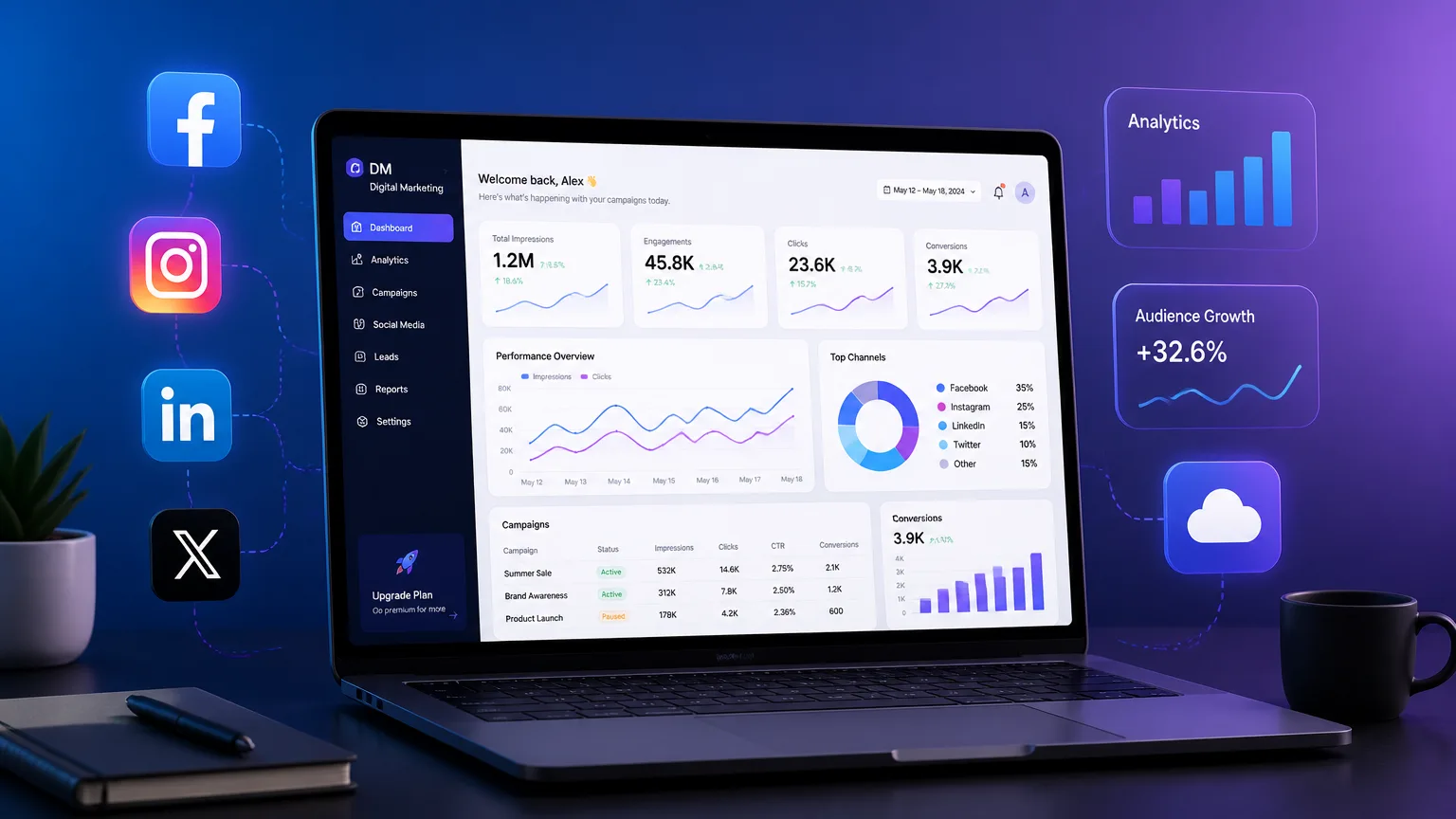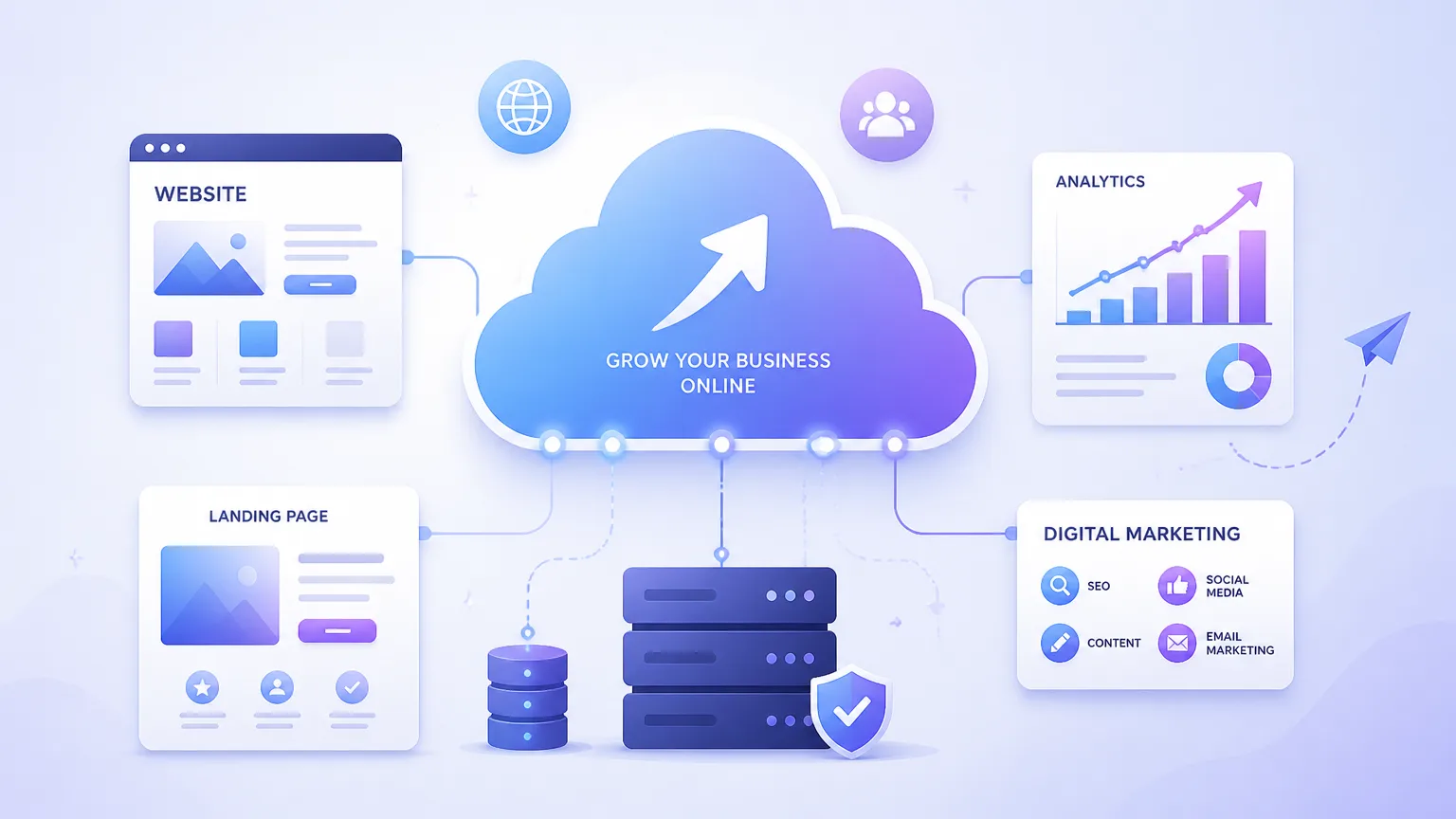
In today’s dynamic job market, freelance digital marketing jobs have emerged as a compelling option for professionals seeking flexibility and diverse opportunities. The rise of remote work and the increasing reliance on digital platforms have created a fertile ground for freelancers. This shift allows marketers to tailor their careers around their personal and professional aspirations while engaging with a variety of clients and industries.
As the digital marketing landscape evolves rapidly, adaptability has become paramount. Marketers must stay abreast of emerging trends, tools, and techniques to remain competitive. Continuous learning is no longer just an advantage; it is a necessity. For instance, a freelancer might specialise in social media strategy today but may need to pivot to data analytics tomorrow as client demands shift.
Moreover, key skills such as SEO, content creation, and analytics are essential in this environment. Mastering these core competencies can significantly enhance a freelancer’s marketability. By honing these skills, digital marketers can not only secure freelance roles but also build a sustainable career in an ever-changing marketplace. This guide aims to equip you with the insights and strategies necessary to thrive in freelance digital marketing.
1. Essential Skills for Freelance Success
To excel in freelance digital marketing jobs, possessing a diverse skill set is paramount. Recruiters and clients often prioritise freelancers who demonstrate proficiency in various areas, ensuring they can adapt to different project requirements and client expectations.
Search Engine Optimisation (SEO) is a foundational skill for any digital marketer. Understanding how to optimise websites for search engines can significantly enhance a client’s online visibility. This involves keyword research, on-page optimisation, and backlink strategies. For instance, a freelancer who can improve a website’s ranking on Google will prove invaluable to businesses seeking to increase organic traffic.
Pay-Per-Click (PPC) advertising represents another critical area. Freelancers should be adept at managing campaigns on platforms such as Google Ads and Facebook. The ability to create compelling ad copy and analyse performance metrics enables freelancers to optimise campaigns effectively, maximising return on investment for their clients.
Social media management is also essential. Freelancers must not only understand the nuances of various platforms but also know how to engage audiences through tailored content. For example, a freelancer who crafts engaging posts and manages community interactions can help businesses build a loyal following.
In addition to these core skills, content creation is vital. Writers who can produce high-quality, engaging content that aligns with a brand’s voice are often in high demand. This includes blog posts, articles, and even visuals that resonate with target audiences.
Moreover, the digital marketing landscape is continually evolving. Therefore, freelancers must commit to continuous education. Staying updated on the latest tools and strategies, such as those outlined in the Complete Guide to What Is an Online Recommendation Engine and Its Functionality, can provide a competitive edge.
By cultivating these essential skills and maintaining a proactive learning attitude, freelancers can distinguish themselves in the crowded field of digital marketing.
2. Proven Platforms to Find Freelance Jobs
As the demand for freelance digital marketing jobs continues to rise, various platforms have emerged to connect freelancers with clients seeking their expertise. Understanding the strengths and weaknesses of these platforms can significantly enhance your job search.
Upwork
Upwork is one of the most popular freelancing platforms, offering a wide range of digital marketing roles, from SEO specialists to social media managers.
Pros:
- Extensive job listings across various marketing specialisations.
- An integrated messaging system that facilitates client communication.
- High competition can make it challenging to secure jobs.
- The platform charges service fees, which can impact earnings.
- You set your rates, allowing for flexibility in pricing.
- Easy to showcase work through portfolios.
- Lower initial visibility unless you invest in promotion.
- Potentially undervalued services due to the low starting prices.
- Diverse job categories, including project-based work.
- Flexibility in working hours and project lengths.
- Bidding wars can drive prices down.
- A complex interface that may overwhelm new users.
- Access to a professional network, enhancing visibility to potential clients.
- Ability to showcase endorsements and recommendations.
- Jobs may be less frequent compared to dedicated freelancing platforms.
- Requires a strong profile to attract attention.
- Curated job listings ensure quality and legitimacy.
- A user-friendly interface simplifies the search process.
- Requires a subscription fee for full access to job listings.
- Limited to roles that offer flexible working arrangements.
Cons:
Fiverr
Fiverr allows freelancers to create “gigs” that showcase their services at specified price points. This platform is ideal for niche marketing services, such as content creation or graphic design.
Pros:
Cons:
Freelancer
Freelancer is another robust platform that offers a bidding system for projects. This allows freelancers to compete for jobs by proposing their terms and pricing.
Pros:
Cons:
LinkedIn is not solely a job platform but offers valuable networking opportunities. Many businesses post freelance digital marketing jobs directly on the site.
Pros:
Cons:
FlexJobs
FlexJobs focuses on remote and flexible job opportunities, including freelance digital marketing roles.
Pros:
Cons:
To succeed on these platforms, proactive engagement is essential. Building a comprehensive profile that highlights your skills and experience can significantly increase your chances of landing freelance digital marketing jobs. Regularly updating your portfolio and actively bidding on projects will further enhance your visibility in a competitive market.
3. Networking and Building Relationships
Networking is a cornerstone of success in the freelance digital marketing landscape. Unlike traditional job boards, many freelance digital marketing jobs are filled through connections and referrals. Engaging with others in the industry can expose you to opportunities that are not publicly advertised, significantly enhancing your chances of securing work.
Participating in online communities, such as LinkedIn groups or specialised forums, can facilitate meaningful interactions. For instance, joining a group focused on SEO trends can help you connect with potential clients or collaborators who share your interests. Actively contributing to discussions can elevate your profile, making it easier for others to recognise your expertise.
Additionally, attending industry events—whether virtual or in-person—provides another avenue for networking. Conferences, webinars, and workshops offer valuable opportunities to meet fellow marketers and industry leaders. These interactions can lead to partnerships or referrals, expanding your professional reach and influence.
Building relationships with other marketers is not solely about securing jobs; it can also foster collaboration. For example, teaming up with a graphic designer can enhance your service offerings, allowing you to deliver comprehensive marketing solutions. Such collaborations can lead to innovative projects that attract more clients.
Moreover, nurturing existing relationships is equally important. Regularly checking in with past clients or colleagues can keep you top-of-mind when new projects arise. A simple follow-up message can open doors to repeat business or new referrals.
In summary, effective networking and relationship-building are critical strategies for freelancers in the digital marketing sector. By actively engaging with your peers and maintaining these connections, you can unlock new opportunities and reinforce your position in the market.
4. Creating a Winning Portfolio
A well-crafted portfolio serves as a vital marketing tool for freelancers in the digital marketing arena. It not only showcases your skills but also demonstrates your ability to deliver tangible results. An effective portfolio should include diverse work samples that reflect your versatility across various digital marketing channels, such as SEO, social media, and content marketing.
When curating your portfolio, consider including case studies that detail your approach to specific projects. For example, illustrate how you increased a client’s website traffic by 50% over three months through targeted SEO strategies. This not only highlights your technical skills but also your strategic thinking and problem-solving abilities.
Testimonials from satisfied clients can further enhance your portfolio. These endorsements provide social proof of your capabilities and help build trust with potential clients. Aim to gather feedback that speaks to your professionalism, creativity, and results-driven approach. For instance, a testimonial indicating how you helped a brand improve its online presence can significantly boost your credibility.
In addition to case studies and testimonials, consider incorporating a variety of work samples that include different formats. This might range from blog posts and social media campaigns to email marketing designs. Such diversity not only showcases your skills but also your adaptability to different client needs and industries.
Moreover, utilising tools to gather insights can amplify the effectiveness of your portfolio. The Best 5 Online Market Research Tools to Accelerate Your Business Growth can help you analyse market trends and refine your offerings, making your portfolio even more compelling.
Overall, a comprehensive and dynamic portfolio is crucial for securing freelance digital marketing jobs and establishing a robust professional reputation. By continually updating your portfolio with new projects and client feedback, you enhance your appeal to prospective clients and strengthen your position in the competitive freelance market.
5. Setting Competitive Rates
Determining competitive rates is a critical aspect of securing freelance digital marketing jobs. Freelancers must navigate various factors to establish their pricing effectively.
First and foremost, understanding industry standards is essential. Conducting market research to identify the average rates for specific services—such as SEO optimisation, content marketing, or social media management—can provide a baseline. For instance, freelancers with specialised skills like PPC advertising may command higher rates than those offering generalised services.
Experience plays a significant role in rate-setting. New freelancers may start on the lower end of the spectrum to attract clients and build a portfolio. As they gain experience and positive client feedback, they can gradually increase their rates. It’s not uncommon for freelancers to raise their prices by 10-20% after completing a few successful projects.
Market demand is another crucial consideration. If a particular skill set is in high demand, freelancers can leverage this to justify higher rates. For example, during a surge in demand for digital marketing services, professionals proficient in data analytics may find they can charge significantly more due to the scarcity of qualified experts.
Additionally, freelancers should assess their own skill level and unique value proposition. Those with niche expertise, certifications, or a proven track record in achieving measurable results can often set higher rates. Clients are willing to invest more when they perceive a clear return on investment.
Finally, experimenting with rates can lead to optimal pricing strategies. Freelancers can test different pricing models, such as hourly rates versus project-based fees, to see which aligns best with their services and client expectations. Regularly reviewing and adjusting rates based on feedback, results, and market changes will ensure ongoing competitiveness in the landscape of freelance digital marketing jobs.
Conclusion: Thriving as a Freelance Digital Marketer
In conclusion, success as a freelancer in digital marketing hinges on continuous skills development and proactive networking. By enhancing your expertise through ongoing education, you can adapt to the ever-evolving digital landscape.
Active engagement within industry circles fosters invaluable connections that can lead to exciting freelance digital marketing jobs. For instance, attending webinars or joining professional groups can expose you to potential clients and collaborators.
Ultimately, a proactive approach, combined with a commitment to skill enhancement, will empower you to navigate the competitive freelance market effectively. Embrace these strategies, and you will position yourself for long-term success in your freelance career.