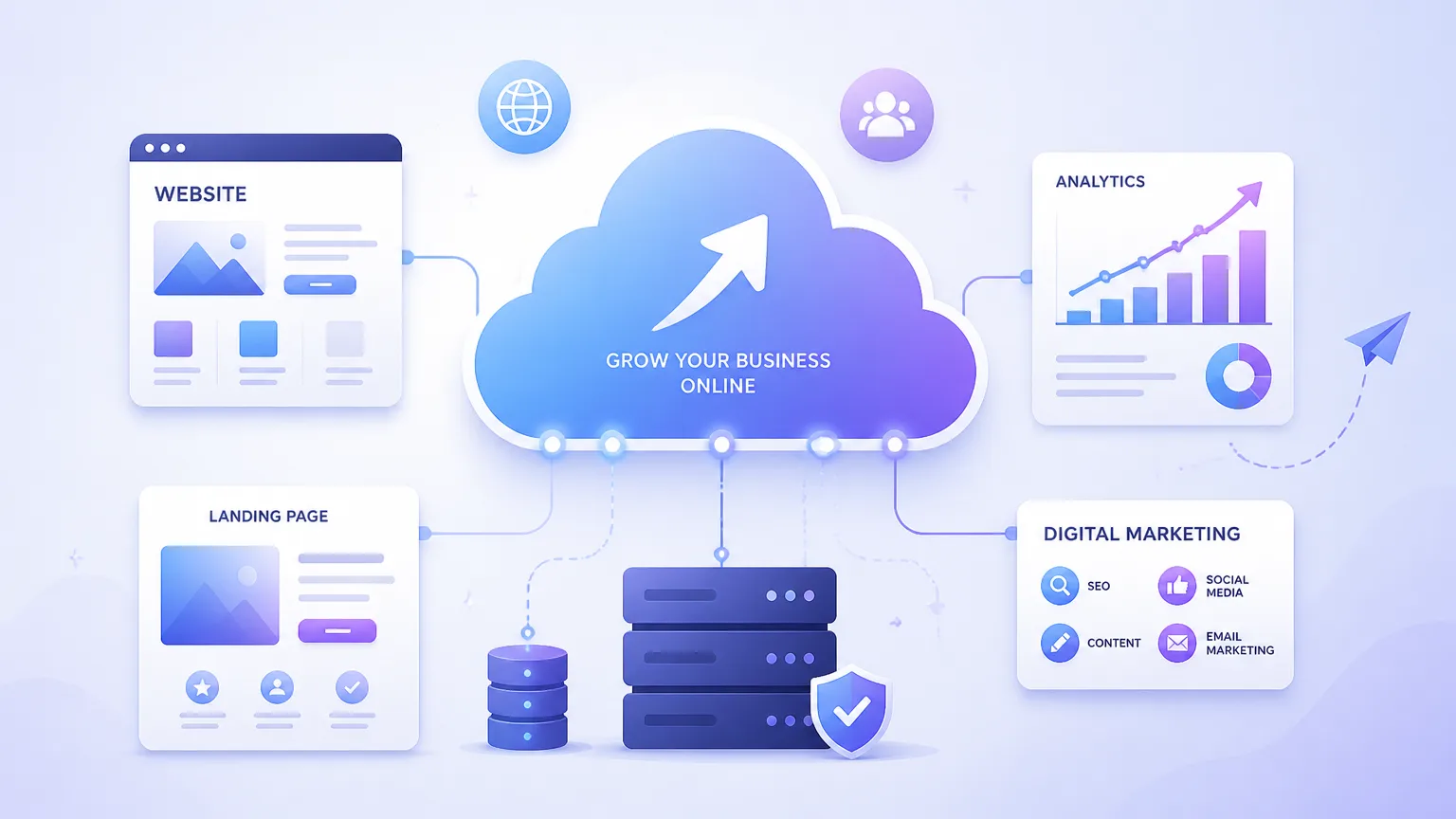
In today’s fast-paced business environment, the significance of online market research tools cannot be overstated. These digital resources have revolutionised the way organisations gather data, providing insights that are crucial for informed decision-making. As businesses increasingly rely on data-driven strategies, the ability to understand market trends, customer preferences, and competitive dynamics has become paramount.
The evolution of market research has shifted from traditional methods, which often involved time-consuming surveys and focus groups, to more agile, real-time digital solutions. Online market research tools enable businesses to access vast amounts of information quickly and efficiently, giving them a competitive edge. For instance, platforms that analyse consumer behaviour across various digital channels can help companies tailor their offerings to meet precise market demands.
Utilising these tools effectively can enhance marketing strategies, allowing businesses to allocate resources more judiciously and target their audiences with greater precision. As highlighted in our Complete Guide to Digital Marketing: Why Your Business Needs It Now, the intersection of digital marketing and market research is vital for sustained growth in any industry. In this article, we will explore the top five online market research tools that can drive your business growth, ensuring you stay ahead of the curve.
1. SurveyMonkey: The Go-To for Surveys
SurveyMonkey stands out as a premier online market research tool, primarily recognised for its robust survey capabilities. Its user-friendly interface allows marketers to create highly customisable surveys that cater to specific business needs. Users can choose from a variety of question types, including multiple-choice, rating scales, and open-ended questions, making it easier to gather comprehensive insights.
One of SurveyMonkey’s key strengths is its intuitive design. Even those with minimal technical expertise can navigate the platform effortlessly. This ease of use is critical for businesses that require quick feedback without extensive training. Additionally, SurveyMonkey offers templates tailored to various industries, enabling users to launch surveys promptly and efficiently.
Data analysis is another crucial feature that sets SurveyMonkey apart. The platform provides real-time analytics, allowing businesses to track responses as they come in. Users can generate visually appealing reports with just a few clicks, facilitating a clearer understanding of customer sentiments. For instance, a retail company can instantly analyse shopper preferences, enabling them to adjust marketing strategies in real time.
Moreover, SurveyMonkey integrates seamlessly with other business tools, such as CRM systems and email marketing platforms. This integration helps businesses streamline their data collection and enhance overall efficiency. For example, a company might collect survey responses and automatically add them to their CRM, allowing for more targeted follow-ups.
In essence, SurveyMonkey offers a comprehensive solution for businesses looking to harness the power of customer feedback. With its customisable survey options, user-friendly interface, and advanced data analysis features, it remains an indispensable tool for marketers aiming to drive business growth through informed decision-making.
2. Google Trends: Understanding Market Movement
Google Trends stands out as a powerful online market research tool that enables businesses to track emerging market trends and consumer interests. By analysing search data, marketers can gain invaluable insights into what consumers are actively seeking. This allows businesses to adjust their strategies in real-time, staying responsive to market dynamics.
Keyword analysis through Google Trends provides a clear view of the popularity of specific search terms over time. For example, if a business notices a surge in searches for “sustainable packaging,” it may indicate a growing consumer preference. Companies can use this information to pivot their product offerings or marketing campaigns to align with evolving consumer demands.
Additionally, trend tracking helps identify seasonal patterns and fluctuations in consumer behaviour. A retailer, for instance, might discover that searches for “holiday gifts” peak in November. By leveraging this data, businesses can time their promotions effectively, maximising sales during key shopping periods.
Practical applications of Google Trends extend beyond immediate marketing strategies. Businesses can also use the tool for competitor analysis. By comparing search interest for their brand against competitors, companies can gauge their market position and identify areas for improvement. If a competitor is gaining traction in a specific area, businesses can investigate further and adapt their offerings accordingly.
Moreover, Google Trends can aid in content creation. Understanding trending topics allows marketers to develop relevant blog posts or social media content that resonates with their audience. For example, a company in the fitness industry could produce articles on trending workout routines, attracting more traffic to their website.
In summary, Google Trends serves as an essential resource in the arsenal of online market research tools. Its ability to provide real-time insights into consumer behaviour enables businesses to refine their strategies and drive growth effectively.
3. SEMrush: The All-in-One Marketing Toolkit
SEMrush stands out as a comprehensive marketing toolkit, integrating powerful market research capabilities that are essential for businesses aiming to strengthen their competitive edge. Its primary strength lies in its ability to provide in-depth competitive analysis, allowing businesses to scrutinise their rivals’ strategies and identify market opportunities.
One of SEMrush’s key features is its competitive insights functionality. Users can examine competitors’ organic and paid traffic sources, track keyword rankings, and assess backlink profiles. This information enables businesses to determine which keywords are driving traffic for their competitors and adjust their content strategies accordingly. For example, if a competitor ranks for high-traffic keywords that your business has overlooked, SEMrush can guide you in optimising your content to capture that audience.
In addition to competitive analysis, SEMrush excels in keyword research. The tool offers a robust keyword database, allowing users to explore search volume, difficulty, and trends. By leveraging these insights, businesses can craft targeted content that resonates with their audience. For instance, a company launching a new product can identify relevant keywords that potential customers are actively searching for, thus enhancing the effectiveness of their marketing campaigns.
Moreover, SEMrush plays a pivotal role in developing comprehensive digital marketing strategies. It provides tools for content optimisation, allowing marketers to assess how well their content aligns with SEO best practices. By focusing on factors such as readability, keyword usage, and user engagement metrics, businesses can refine their content to improve visibility in search engine results.
In the context of software as a service (SaaS) applications, understanding the importance of SaaS security is crucial. As SEMrush gathers competitive data, it is vital for businesses to ensure that sensitive information remains protected. This highlights the necessity of integrating robust data security measures into your digital marketing strategy.
In summary, SEMrush offers a multifaceted approach to market research. Its extensive features support businesses in enhancing their online presence and driving growth through informed decision-making.
4. Typeform: A Unique Approach to Surveys
Typeform distinguishes itself in the realm of online market research tools through its design-led approach and interactive survey capabilities. By prioritising user experience, Typeform transforms the traditional survey format into a visually appealing and engaging interaction. This emphasis on aesthetics not only enhances the overall look of surveys but also significantly improves response rates.
The platform enables businesses to create surveys that are both functional and attractive. Customisation options allow brands to align their surveys with their visual identity, incorporating logos, colours, and images. This alignment fosters a sense of familiarity and trust, encouraging respondents to engage more fully with the survey.
Moreover, Typeform’s interactive design captures and retains user attention. Unlike conventional surveys that often feel monotonous, Typeform employs a conversational style that guides respondents through each question seamlessly. This method reduces survey fatigue and increases completion rates, as users are more likely to finish a survey that feels like a dialogue rather than a chore.
For instance, a marketing team seeking feedback on a new product could use Typeform to create an engaging survey that asks questions in a conversational tone. By including multimedia elements, such as images or videos, they can illustrate product features and elicit more thoughtful responses.
In addition to its engaging format, Typeform offers robust analytics tools that allow businesses to analyse responses effectively. This data-driven insight enables teams to identify trends and preferences, facilitating informed decision-making that aligns with customer expectations.
Overall, Typeform exemplifies how a unique approach to surveys can enhance user engagement, ultimately driving meaningful insights that support business growth.
5. BuzzSumo: Content Insights and Strategy
BuzzSumo stands out as a powerful tool for marketers seeking to harness content performance analysis and influencer insights. By utilising BuzzSumo, businesses can identify trending topics and analyse the effectiveness of existing content within their industry. This capability is crucial for crafting relevant and engaging content that resonates with target audiences.
One of BuzzSumo’s key features is its content discovery function, which allows users to explore what type of content performs best across various platforms. For instance, a business in the health sector might discover that listicles or how-to guides generate higher engagement compared to traditional blog posts. This insight enables companies to tailor their content strategies, ensuring they focus on formats that captivate their audience.
Furthermore, BuzzSumo excels in influencer identification. The platform allows marketers to search for influencers in specific niches, facilitating effective outreach and collaboration. For example, a brand launching a new product can identify key influencers who have previously championed similar products. By partnering with these individuals, businesses can leverage their established credibility to enhance brand visibility and drive traffic to their websites.
Additionally, BuzzSumo’s analytics tools offer in-depth performance metrics, enabling users to assess the impact of their content strategy over time. By analysing engagement metrics such as shares, comments, and likes, marketers can refine their approach based on real data. This iterative process not only improves content relevance but also fosters a deeper connection with the audience.
In summary, BuzzSumo serves as an essential asset for any digital marketer aiming to optimise their content strategy. Its robust features for content performance analysis and influencer identification empower businesses to create impactful content that drives engagement and growth.
Conclusion: Choose the Right Tool for Your Needs
Leveraging online market research tools is crucial for driving business growth in today’s data-driven marketing landscape. Each tool discussed offers unique advantages that cater to different business needs. For instance, while Google Trends provides real-time consumer insights, SEMrush excels in enhancing online visibility through comprehensive analytics.
It is essential to experiment with these tools to find the best fit for your specific objectives. By integrating insights from these platforms into your marketing strategies, you can make informed decisions that resonate with your target audience. Remember, the goal is to adapt and evolve based on the data you gather.
Ultimately, choosing the right online market research tool can significantly impact your business trajectory. Embrace these resources as part of your strategic toolkit and watch your business thrive. For further insights on how SaaS empowers startups, consider exploring additional resources that highlight the transformative potential of these technologies.