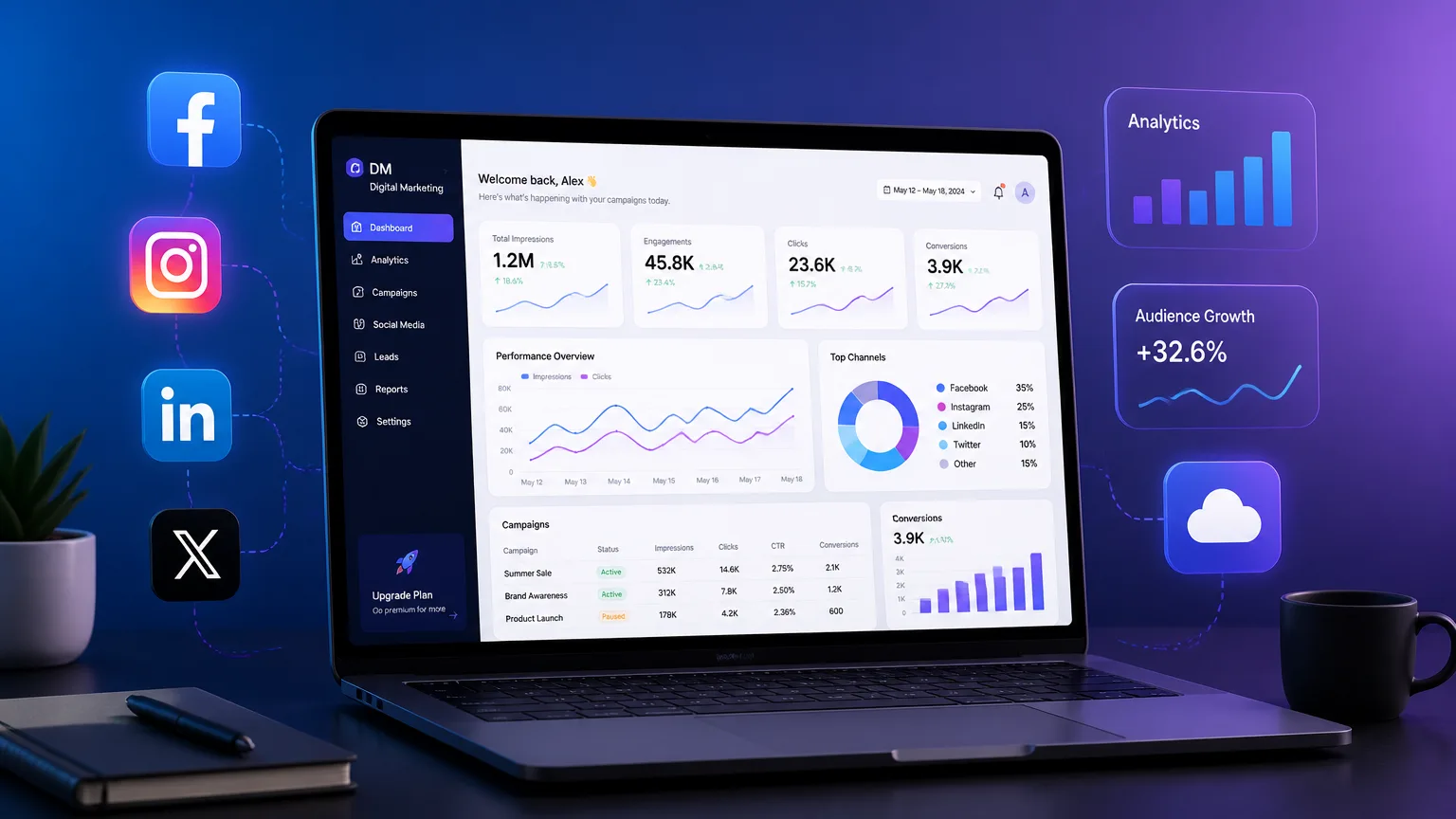
In an increasingly digital world, businesses must adapt to changing consumer behaviours and preferences. Digital marketing has emerged as a fundamental approach, replacing traditional methods that once dominated the landscape. Today, companies leverage online platforms to engage with their target audiences, making digital marketing not just an option but a necessity.
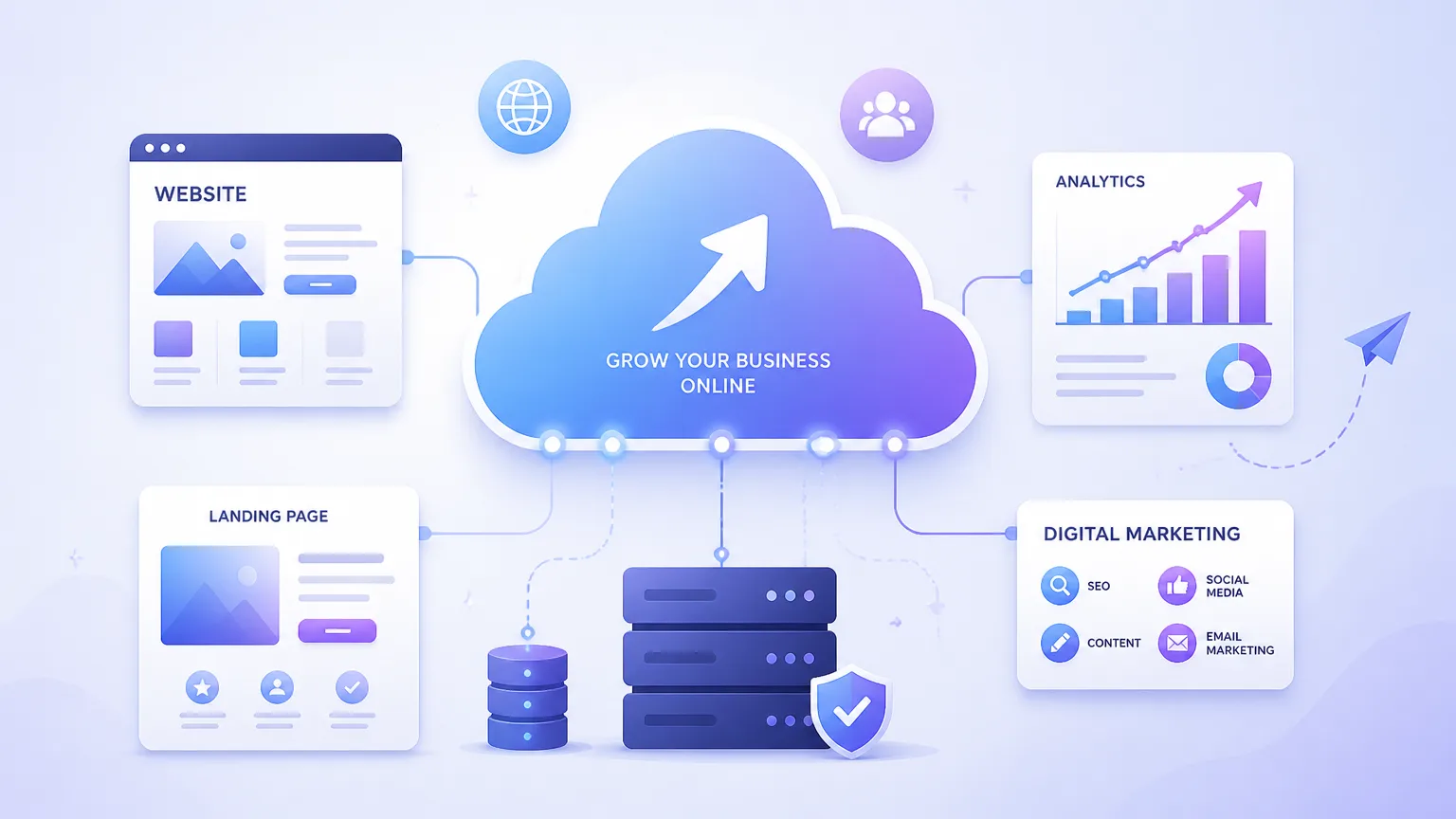
Digital marketing encompasses various strategies, including search engine optimisation (SEO), social media marketing, content creation, and email campaigns. These strategies are designed to enhance visibility, drive traffic, and ultimately increase conversions. For instance, a well-executed SEO strategy can significantly improve a website’s ranking on search engine results pages, attracting more potential customers.
The rise of digital marketing has also opened new career opportunities, leading to a demand for skilled professionals in roles such as digital marketing specialist jobs. These experts help organisations navigate the complexities of online marketing, ensuring that businesses stay competitive in a crowded marketplace.
Understanding digital marketing is crucial for any business looking to thrive. It not only fosters brand awareness but also builds lasting relationships with customers, ensuring long-term success in a fast-evolving environment.
What is Digital Marketing?
Digital marketing encompasses a broad range of strategies and channels that businesses utilise to engage with customers online. At its core, it involves promoting products or services through digital mediums, allowing brands to reach their audience in more targeted and effective ways than traditional marketing.
One of the primary components of digital marketing is Search Engine Optimisation (SEO). This technique enhances a website’s visibility on search engines, ensuring that potential customers can easily find relevant information. For example, a local bakery can optimise its website for keywords like “fresh bread near me,” driving organic traffic and increasing footfall.
Social media marketing is another vital aspect. Platforms such as Facebook, Instagram, and Twitter facilitate direct interaction with customers, building brand loyalty and community. A clothing brand, for instance, can showcase new collections through visually appealing posts and engage with followers via comments and stories.
Email marketing remains a powerful tool as well. By crafting targeted campaigns, businesses can nurture leads and keep their audience informed about promotions or new products. For example, a tech firm might send personalised emails featuring product recommendations based on previous purchases.
Pay-Per-Click (PPC) advertising complements these strategies. This approach allows businesses to place ads on search engines and social media platforms, paying only when users click on them. A local restaurant might use PPC to attract new customers by promoting special offers, ensuring that the investment translates into measurable returns.
These components work synergistically to create a cohesive digital marketing strategy. By integrating SEO, social media, email, and PPC, businesses can enhance their online presence, optimise customer engagement, and drive conversions. As a result, digital marketing specialist jobs are increasingly in demand, reflecting the growing need for expertise in this multifaceted field.
The Role of Digital Marketing in Modern Business
In an age where online consumer behaviour is paramount, businesses can no longer afford to overlook digital marketing. With the majority of consumers conducting research and making purchasing decisions online, having a robust digital presence is essential. For example, a recent survey revealed that over 70% of shoppers engage in online research before making a purchase. This trend underscores the necessity for businesses to invest in digital marketing strategies that effectively capture and engage their target audience.
Moreover, the level of competition in the digital landscape is unprecedented. Companies across all sectors are vying for the attention of the same online users. This saturation means that simply having a website is insufficient; businesses must employ targeted digital marketing tactics, such as search engine optimisation (SEO) and pay-per-click (PPC) advertising, to rise above the noise. For instance, a well-executed SEO strategy can elevate a business’s website to the top of search engine results, significantly increasing visibility and potential customer engagement.
Digital marketing also facilitates real-time interaction with consumers, allowing businesses to adapt their strategies based on immediate feedback and analytics. Social media platforms, for instance, enable brands to interact directly with customers, fostering a sense of community and loyalty. This direct engagement can lead to higher conversion rates, as consumers are more likely to purchase from brands that they feel connected to.
In addition, the demand for skilled professionals in this field, including digital marketing specialists, continues to grow. As businesses increasingly recognise the value of digital marketing, the need for expertise in this area becomes crucial. Those equipped with the right skills can effectively analyse data, create compelling content, and implement successful campaigns that drive business growth.
Ultimately, integrating digital marketing into your business strategy is not just an option—it is a necessity for survival and success in today’s market. For businesses seeking to enhance their capabilities, choosing the right vendor for digital marketing tools can significantly impact their effectiveness and reach.
Benefits of Digital Marketing
Digital marketing provides numerous advantages over traditional marketing strategies, positioning businesses for enhanced growth and visibility.
One of the most significant benefits is cost-effectiveness. Traditional marketing methods often require substantial investments in print media, television, and radio advertisements. In contrast, digital marketing allows for flexible budget allocation, enabling businesses to engage in targeted campaigns without the hefty price tag. For instance, small businesses can utilise social media platforms to reach their audience at a fraction of the cost of a television campaign.
Additionally, digital marketing offers measurable results and robust analytics capabilities. Businesses can track the performance of their campaigns in real-time, allowing for data-driven decision-making. Tools like Google Analytics enable marketers to assess website traffic, user behaviour, and conversion rates. This level of insight empowers businesses to refine their strategies and optimise resources effectively. For example, a company may discover that a specific social media platform yields higher engagement, prompting them to adjust their marketing focus accordingly.
Moreover, the accessibility of digital marketing tools enhances small businesses’ competitiveness. With the right resources, even those with limited budgets can implement sophisticated marketing strategies that were once the domain of large corporations. Many organisations are now hiring digital marketing specialists to leverage these tools effectively, ensuring they remain relevant in their industries.
In conclusion, the integration of digital marketing not only improves cost efficiency but also enhances the ability to measure and analyse results. As businesses increasingly recognise these benefits, they are better equipped to navigate the complexities of the digital landscape. For further insights on optimising digital tools, consider exploring a SaaS implementation roadmap, which can facilitate more effective business strategies.
Key Digital Marketing Strategies for Businesses
Implementing effective digital marketing strategies is essential for businesses aiming to maximise their online presence. Here are several key strategies that can significantly enhance your marketing efforts.
1. Develop a Responsive Website
A responsive website is the cornerstone of any digital marketing strategy. With the increasing use of mobile devices, ensuring that your website functions seamlessly across all platforms is critical. A responsive design improves user experience, reduces bounce rates, and enhances search engine rankings. For instance, businesses that optimise their websites for mobile users often see an increase in engagement and conversions.
2. Leverage Search Engine Optimisation (SEO)
SEO is vital for increasing your website’s visibility on search engines. By optimising your content with relevant keywords, improving site speed, and securing quality backlinks, you can drive organic traffic to your site. For example, a well-executed SEO strategy can lead to higher rankings on Google, making it easier for potential customers to find your products or services.
3. Utilise Social Media Platforms
Effectively using social media platforms allows businesses to connect with their audience in real time. Each platform has its unique characteristics and user demographics, which can be leveraged for targeted marketing. For instance, using Instagram to showcase visually appealing products can attract a younger audience, while LinkedIn can be effective for B2B marketing. Understanding the skills needed in social media marketing is crucial for creating compelling content that resonates with your target demographic.
4. Invest in Pay-Per-Click (PPC) Advertising
PPC advertising is a powerful tool that allows businesses to reach specific audiences quickly. By targeting keywords relevant to your industry, you can drive immediate traffic to your website. Platforms like Google Ads and Facebook Ads provide analytics that can help refine your campaigns, ensuring you achieve a higher return on investment.
5. Implement Email Marketing Campaigns
Email marketing remains one of the most effective strategies for nurturing leads and maintaining customer relationships. By segmenting your audience and personalising content, you can increase engagement rates. For example, sending targeted promotions to previous customers can encourage repeat purchases and enhance brand loyalty.
By integrating these digital marketing strategies, businesses can not only enhance their online presence but also foster deeper connections with customers, ultimately driving growth and success.
Future Trends in Digital Marketing
As digital marketing continues to evolve, several key trends are emerging that businesses must adapt to remain competitive. Personalization stands out as a significant trend. Customers today expect tailored experiences that resonate with their preferences and behaviours. For example, using data analytics, businesses can create personalised email campaigns that address individual customer interests, leading to higher engagement rates and improved customer loyalty.
Another trend gaining momentum is the rise of voice search. With the proliferation of smart speakers and voice-activated devices, consumers are increasingly using spoken queries to find products and services. Businesses must optimise their content for voice search by focusing on natural language and long-tail keywords. This shift not only enhances accessibility but also improves the chances of appearing in voice search results.
Artificial Intelligence (AI) is also transforming the landscape of digital marketing. From chatbots that provide instant customer support to algorithms that analyse consumer behaviour, AI streamlines processes and enhances customer interactions. For instance, businesses employing AI-driven analytics can gain valuable insights into market trends, allowing them to refine their strategies effectively.
In summary, embracing these emerging trends—personalization, voice search, and AI—will be crucial for businesses aiming to elevate their digital marketing efforts and connect meaningfully with their audiences.
Embracing Digital Marketing for Growth
In today’s digital-first environment, adopting a robust digital marketing strategy is indispensable for businesses of all sizes. The rapid evolution of consumer behaviours and technological advancements has made it essential for companies to engage with their audiences online. By leveraging digital marketing channels, businesses can increase their visibility and connect with potential customers more effectively.
Moreover, digital marketing fosters ongoing relationships with customers, turning one-time buyers into loyal advocates. For example, personalised email campaigns can encourage repeat purchases, while targeted social media advertising can enhance brand engagement. As consumer expectations continue to rise, businesses must adapt their strategies to remain relevant.
Looking ahead, consider how your organisation can enhance its digital presence. Whether it’s through hiring digital marketing specialists or investing in new tools, the potential for growth is significant. A well-executed digital strategy not only improves brand awareness but also drives conversions and boosts revenue.
In conclusion, the importance of digital marketing cannot be overstated. Embrace these strategies today to secure your position in the marketplace and pave the way for sustainable business growth.