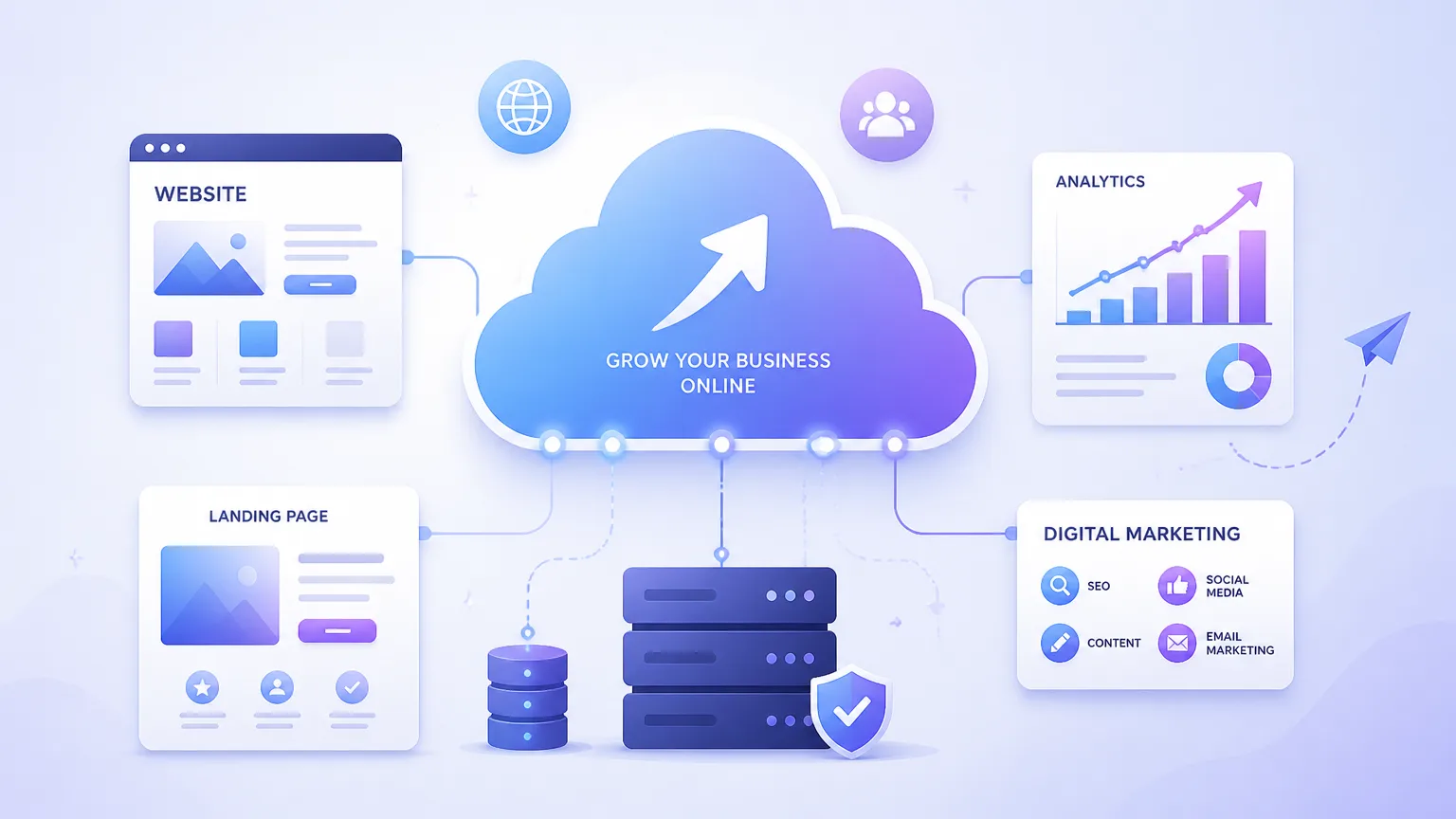
In today’s competitive landscape, effective lead generation content marketing is essential for driving business growth and ensuring sustainability. As organisations strive to connect with potential customers, implementing the right strategies can significantly enhance both the quality and quantity of leads generated. It is no longer sufficient to merely create content; businesses must understand how to strategically attract and engage their target audience.
Understanding buyer personas plays a pivotal role in this process. By identifying the specific characteristics, preferences, and pain points of your potential customers, you can tailor your content to address their needs directly. For instance, a company selling eco-friendly products may create informative articles highlighting the environmental impact of consumer choices, thereby appealing to an audience that prioritises sustainability.
Furthermore, leveraging various platforms and channels is crucial for maximising outreach. Whether through social media, email campaigns, or search engine optimisation, each medium offers unique opportunities to engage potential leads. For a comprehensive overview of how digital marketing can amplify your efforts, refer to the Complete Guide to Digital Marketing: Why Your Business Needs It Now.
As we delve deeper into effective lead generation strategies, this article will explore actionable techniques that can transform your content into a powerful tool for attracting and converting leads.
1. Create Valuable and Targeted Content
To effectively generate leads through content marketing, it is imperative to create valuable and targeted content that resonates with your audience. Understanding the specific needs and pain points of your target demographic is the first step in this process. Conducting surveys and market research can provide insights into what your audience is genuinely interested in. For instance, a business offering digital marketing services might find that potential clients struggle with SEO strategies. Addressing this directly can help position your content as a solution.
Once you have identified these key interests, diversify your content formats to cater to varying preferences. Blogs are excellent for in-depth analysis, while videos can quickly convey complex ideas. Infographics serve to summarise information visually, appealing to those who prefer quick, digestible content. By incorporating these formats, you not only engage a broader audience but also enhance the likelihood of attracting quality leads.
Implementing SEO best practices is crucial for maximising your content’s visibility. This includes optimising headlines, using relevant keywords, and including meta descriptions. For example, if your content focuses on “lead generation content marketing,” ensure that this phrase appears in strategic locations such as titles and headers. This approach not only improves search engine rankings but also helps potential leads find your content more easily.
Additionally, consider creating content that answers frequently asked questions or addresses common industry challenges. This positions your brand as a trusted authority, encouraging leads to seek your services when they encounter related issues. By producing content that is both informative and solution-oriented, you increase the likelihood of converting casual readers into engaged leads.
2. Leverage Social Media Platforms
Social media platforms serve as dynamic channels for lead generation content marketing, enabling businesses to engage directly with potential customers. Selecting the right platforms is crucial; understanding your target demographic informs which channels will yield the best results. For instance, platforms like LinkedIn are ideal for B2B interactions, while Instagram and Facebook cater more effectively to B2C audiences.
Engagement is key. Businesses should actively interact with their followers through various formats such as polls, Q&As, and sharing relevant content. For example, hosting a live Q&A session on Instagram can not only increase visibility but also foster a sense of community among your audience. This approach encourages potential leads to engage with your brand, creating opportunities for deeper connections.
Moreover, consider leveraging paid advertising to enhance your reach. Social media platforms offer robust targeting options, allowing you to tailor your ads to specific groups based on demographics, interests, and behaviours. For instance, Facebook Ads can be used to showcase exclusive content or offers, driving traffic to your website and capturing leads effectively.
Incorporating analytics is essential to measure the success of your social media efforts. Analysing metrics such as engagement rates, click-through rates, and conversion rates empowers businesses to refine their strategies over time. For more in-depth insights, refer to the Complete Guide to Social Media Marketing Analytics: Key Metrics to Track.
Utilising social media not only amplifies your brand’s voice but also facilitates meaningful interactions that can convert casual browsers into loyal customers. By implementing these strategies, businesses can harness the full potential of social media for effective lead generation.
3. Implement Effective Email Marketing Campaigns
Email marketing remains a cornerstone of lead generation content marketing, enabling businesses to reach potential customers directly. A well-crafted email campaign can not only engage your audience but also nurture leads through targeted communication.
To build a robust subscriber list, consider offering incentives that attract new sign-ups. Free resources, such as eBooks, whitepapers, or exclusive discounts, can effectively entice visitors to provide their email addresses. This strategy not only increases your subscriber base but also positions your brand as a valuable resource.
Once you have established your list, segmenting it is crucial for personalised communication. By categorising subscribers based on their interests, behaviours, or demographics, you can tailor your content to meet their specific needs. For example, a software company might send tutorials to new users while offering advanced tips to seasoned customers. This level of personalisation fosters higher engagement rates and enhances the likelihood of conversion.
Analytics play a vital role in optimising your email campaigns. By tracking metrics such as open rates, click-through rates, and conversion rates, you can gain insights into what resonates with your audience. Use this data to refine your content, adjust your timing, and improve your overall strategy. For instance, if analytics reveal that emails sent on Wednesdays have higher engagement, consider scheduling future campaigns accordingly.
Incorporating interactive elements, such as polls or quizzes, can further enhance your emails. These features not only make your content more engaging but also provide valuable feedback that can inform your marketing strategy.
By implementing these effective email marketing strategies, businesses can enhance their lead generation efforts significantly. Through thoughtful engagement and continuous optimisation, email campaigns can serve as powerful tools in your content marketing arsenal.
4. Utilize Lead Magnets Wisely
Lead magnets are invaluable tools in the realm of content marketing, serving as effective mechanisms for capturing contact information from potential leads. These are typically free resources, such as eBooks, webinars, or free trials, designed to provide tangible value that aligns with the specific needs of your audience.
To maximise the effectiveness of lead magnets, it is essential to ensure that they address the pain points or interests of your target demographic. For instance, if your audience struggles with digital marketing strategies, offering a comprehensive eBook on this topic can prove beneficial. This not only captures their attention but also establishes your brand as a reliable source of information.
Promoting lead magnets through multiple channels is crucial for achieving maximum exposure. Utilise your website, social media platforms, and email newsletters to disseminate information about these offerings. For example, a well-placed banner on your homepage or a targeted post on LinkedIn can draw significant traffic to your lead magnets. Additionally, consider using paid advertising to broaden your reach, ensuring that your content marketing efforts attract a diverse pool of potential leads.
Once a lead downloads your magnet, the relationship should not end there. Follow-up communications are vital for nurturing these leads further. A thoughtful email thanking them for their interest, coupled with additional resources or insights, can maintain engagement and encourage them to explore your services more deeply. This step not only fosters trust but also positions your brand as a continued source of valuable content.
By integrating lead magnets effectively into your lead generation strategy, you can significantly enhance your content marketing efforts. For further insights on monetising your marketing strategies, consider exploring how to Maximise Your Earnings with High Ticket Affiliate Marketing Strategies.
5. Optimize Your Landing Pages
Optimising your landing pages is crucial for effective lead generation in content marketing. A high-converting landing page acts as a dedicated space where potential leads engage with your content and are encouraged to take action. To achieve this, several key components must be carefully considered.
Firstly, clear and compelling calls-to-action (CTAs) are essential. Your CTAs should resonate with your audience’s needs and desires. Phrasing such as “Download Your Free Guide” or “Get Started Today” creates a sense of urgency and encourages immediate action. The placement and visibility of these CTAs also matter; they should stand out and be strategically positioned throughout the page.
Incorporating testimonials or case studies can significantly enhance your landing page’s credibility. By showcasing real-life success stories or positive feedback from satisfied customers, you build trust with potential leads. For example, a brief quote from a client praising your services can reassure visitors that they are making a sound decision by engaging with your brand.
Moreover, it is imperative to A/B test your landing pages. This process involves creating two variations of a page to determine which elements perform better. You might test different headlines, images, or CTA placements. By analysing the results, you can identify which features resonate most with your audience, allowing for continuous improvement and optimisation of your lead generation efforts.
In summary, an optimised landing page is a vital tool in your content marketing strategy. By focusing on clear CTAs, including testimonials, and conducting A/B tests, you can create an engaging experience that converts visitors into valuable leads.
Conclusion: Building a Sustainable Lead Generation Framework
In conclusion, establishing a robust lead generation framework is essential for content marketing success. The strategies discussed—ranging from optimising landing pages to leveraging social media—serve as foundational elements that can significantly enhance your lead generation efforts.
It is crucial to consistently assess and refine these strategies based on performance metrics. For example, tracking conversion rates from different content types can help identify what resonates best with your audience. By doing so, you can pivot your approach to maximise effectiveness.
Furthermore, staying updated with digital marketing trends is imperative to remain competitive. The landscape of content marketing is constantly evolving, and businesses that adapt to these changes will thrive. For instance, embracing new platforms or content formats can open fresh avenues for lead generation.
Equally important is the cultivation of relationships with leads. Engaging with potential customers through personalised follow-ups or value-driven content can significantly enhance conversion rates. By nurturing these connections, you transition leads from mere prospects to loyal customers.
In summary, a sustainable lead generation strategy for content marketing not only focuses on immediate results but also prioritises long-term relationships and continuous improvement. Implement these actionable insights to build a resilient framework that drives ongoing success in your lead generation efforts.