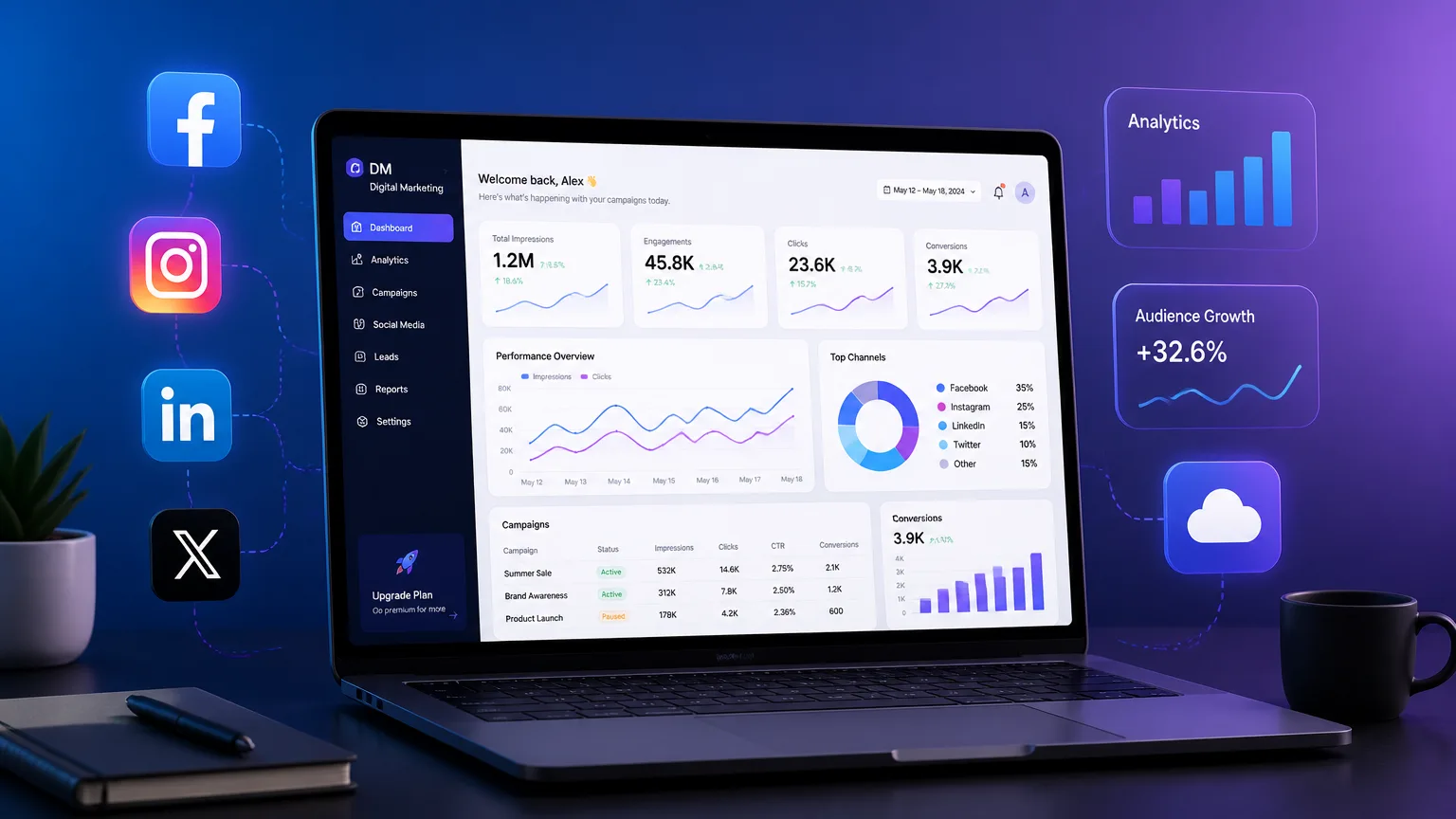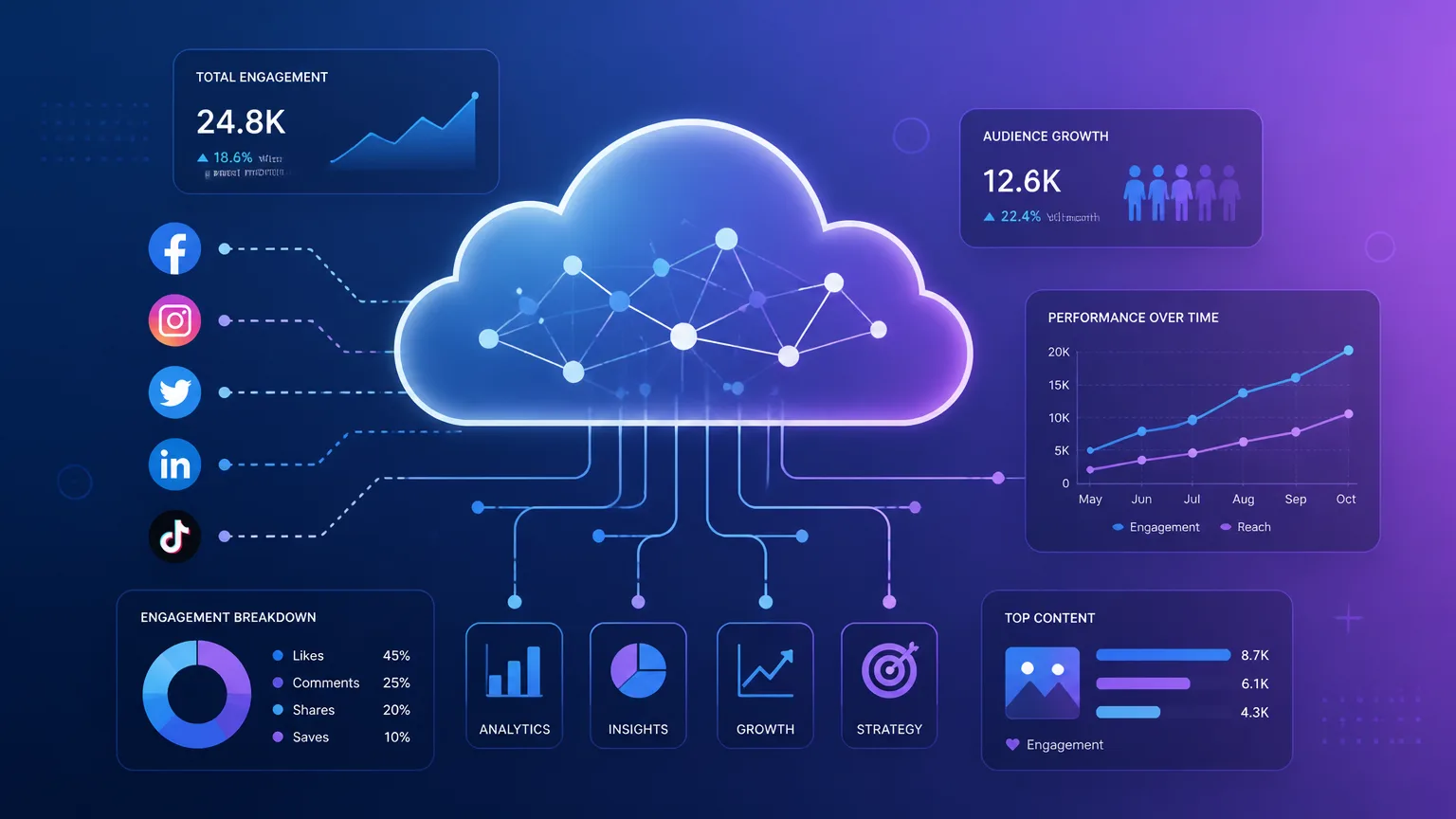
In today’s digital landscape, social media marketing analytics has become indispensable for businesses seeking to refine their marketing strategies. As companies increasingly embrace data-driven decision-making, understanding the metrics behind social media performance is crucial. Analytics not only provide insights into customer behaviour but also guide organisations in optimising their campaigns for better engagement and conversion rates.
Effective social media marketing relies heavily on the ability to evaluate performance metrics. By tracking key indicators, businesses can ascertain what resonates with their audience and what strategies require adjustment. Consider, for instance, how monitoring engagement rates can reveal the effectiveness of content types. Similarly, assessing follower growth can help identify trends and inform future outreach efforts.
Moreover, leveraging analytics tools empowers companies to make informed decisions that enhance their online presence. For those looking to expand their knowledge in this area, exploring resources like the Best 5 Online Market Research Tools to Accelerate Your Business Growth can provide valuable insights into effective data collection and analysis.
As we delve deeper into the key metrics of social media marketing analytics, we will uncover how these measurements can significantly impact your overall marketing strategy. Understanding these elements is not just beneficial; it is essential for sustainable growth in an increasingly competitive environment.
1. Engagement Rate: A Measure of Audience Interaction
Engagement rate serves as a crucial metric in social media marketing analytics, quantifying how actively audiences interact with your content. It encapsulates various forms of interaction, including likes, shares, comments, and saves, providing a holistic view of audience behaviour. To calculate engagement rate, divide the total engagements by the total reach or impressions, then multiply by 100 to express it as a percentage. This formula allows businesses to gauge the effectiveness of their content in fostering interaction.
Understanding engagement rate is vital for several reasons. Firstly, it reflects the resonance of your content with your audience. A high engagement rate indicates that your content is relevant and compelling, while a low rate may suggest the opposite. Additionally, tracking this metric helps identify which types of content generate the most interaction, enabling businesses to refine their strategies effectively.
To improve engagement rates across platforms, consider the following actionable strategies:
- Create Compelling Content: Tailor your posts to the interests and preferences of your target audience. Use eye-catching visuals and engaging headlines to draw attention.
- Encourage Interaction: Pose questions or create polls to invite responses from your audience. This fosters a sense of community and encourages users to engage with your posts.
- Utilise Hashtags Wisely: Effective use of hashtags can expand your reach and visibility. Research relevant hashtags to attract interested users.
- Post at Optimal Times: Analyse when your audience is most active. Posting during peak times can enhance visibility and increase engagement opportunities.
- Monitor and Adjust: Regularly review your engagement metrics to identify trends. Adapt your content strategy based on what performs best.
- Click-Through Rate (CTR): This metric indicates how many users clicked on a link in your social media post, guiding you on the effectiveness of your content.
- Cost Per Acquisition (CPA): Understanding how much you spend to gain a customer can help evaluate the financial impact of your social media campaigns.
- Sales Volume: Tracking the number of transactions resulting from social media interactions provides direct insight into conversion success.
- Engaging Content: Regularly share content that is informative, entertaining, and relevant to your audience’s interests.
- Consistent Posting: Maintain a consistent posting schedule to keep your brand top-of-mind.
- Utilising Hashtags: Use relevant hashtags to reach a broader audience and increase discoverability.
By focusing on these strategies, businesses can significantly enhance their engagement rates, thereby improving their overall social media marketing efforts and fostering stronger audience connections.
2. Conversion Rate: Tracking the Impact on Sales
Conversion rates are a crucial metric in social media marketing analytics, as they directly reflect the effectiveness of your campaigns in driving sales. Understanding this correlation allows businesses to assess the return on investment (ROI) from their social media efforts.
Tracking conversion rates begins with setting clear objectives. Each social media platform offers unique tracking tools. For instance, Facebook provides conversion tracking through Facebook Pixel, which enables businesses to identify actions taken on their website after interacting with a Facebook ad. Similarly, Instagram and Twitter offer analytics tools that help measure how many users clicked through to a website and completed a purchase.
To analyse conversion rates effectively, businesses should monitor key performance indicators (KPIs), such as:
Several case studies illustrate successful conversions. For example, a leading e-commerce brand utilised targeted Facebook ads that featured promotions based on user behaviour. By analysing conversion rates, they discovered a 25% increase in sales during the campaign period. Another case involved a non-profit organisation that used Instagram Stories to promote a fundraising event. By tracking conversions through a dedicated landing page, they achieved a 40% increase in donations compared to previous campaigns.
By focusing on these metrics, businesses can not only enhance their conversion rates but also optimise their overall social media marketing strategies, ensuring that every campaign contributes positively to their sales figures.
3. Reach and Impressions: Understanding Brand Visibility
In the realm of social media marketing analytics, two crucial metrics—reach and impressions—serve as barometers for brand visibility. Understanding the distinction between these terms is vital for measuring the effectiveness of your marketing efforts.
Reach refers to the total number of unique users who have seen your content. It essentially gauges how many individuals your message has reached, thereby indicating the potential audience size. For instance, if a post is seen by 1,000 unique users, your reach is 1,000. This metric is critical for understanding the breadth of your brand’s exposure.
On the other hand, impressions measure the total number of times your content has been displayed, regardless of whether it was clicked or not. If the same post appears on a feed multiple times, each display counts as an impression. Therefore, if your content achieves 1,500 impressions, it means it has been viewed 1,500 times, potentially by the same users.
Differentiating between reach and impressions is essential for crafting a robust marketing strategy. A high reach with low impressions may suggest that while your content is seen by many, it may not be compelling enough to encourage repeated views. Conversely, a high impression count can indicate that users are engaging with your content consistently.
To leverage these metrics effectively, consider using tools such as Google Analytics, Sprout Social, or Hootsuite. These platforms provide detailed insights into reach and impressions, enabling you to tailor your content strategy accordingly. For example, if you notice a high impression count but low engagement rates, it may be time to refine your messaging or visuals to enhance audience appeal.
By closely monitoring reach and impressions, businesses can make informed decisions that strengthen brand visibility and overall social media presence. This analytical approach not only fosters awareness but also lays the groundwork for deeper audience connections.
4. Follower Growth Rate: Keeping Track of Your Audience Size
Follower growth rate is a critical metric in social media marketing analytics, reflecting the speed at which a brand’s audience expands. This metric is not merely a number; it signifies brand perception and the effectiveness of your content strategy. Understanding your follower growth rate helps businesses gauge how well they resonate with their target audience.
To calculate follower growth rate, use the formula:
\[ \text{Follower Growth Rate} = \frac{\text{New Followers}}{\text{Total Followers at Start of Period}} \times 100 \]
Monitoring this rate over time can provide valuable insights. For example, a consistent increase might indicate successful content strategies, while stagnation or decline could signal a disconnect with your audience.
To foster organic follower growth, businesses should employ several strategies:
Consider a case where a small fashion retailer tracked their follower growth rate over six months. They noticed a significant spike in new followers coinciding with a specific promotional campaign. By analysing the campaign’s content and format, they identified that interactive posts, such as polls and giveaways, were particularly effective. This insight led them to incorporate more interactive elements in future campaigns, further boosting their follower growth.
In another instance, a tech company saw their follower growth plateau. Upon reviewing their posts, they realised their content had become repetitive. By diversifying their content—introducing tutorials and industry insights—they reinvigorated their follower growth rate, demonstrating the necessity of adaptability in social media strategies.
In summary, tracking follower growth rate is essential for businesses seeking to refine their social media marketing approach. It not only highlights brand perception but also offers actionable insights that can drive organic growth.
5. Sentiment Analysis: Measuring Audience Sentiment
Sentiment analysis is a powerful tool that enables businesses to gauge public perception of their brand through social media marketing analytics. By evaluating the emotions behind user-generated content, brands can discern whether their audience views them positively, negatively, or neutrally. Tools such as Hootsuite, Brandwatch, and Sprout Social are commonly employed to track sentiment across various platforms, providing invaluable insights into customer attitudes.
The significance of sentiment analysis extends beyond mere observation; it plays a crucial role in crisis management and brand positioning. For instance, during a public relations crisis, immediate analysis of audience sentiment allows a company to respond promptly and effectively. By identifying negative sentiments early, businesses can craft tailored messaging to address concerns, thus mitigating potential damage to their reputation.
A notable example is Coca-Cola, which utilised sentiment analysis during its “Share a Coke” campaign. By analysing social media discussions, the brand identified positive reactions to personalised bottles. This insight led to a strategic pivot, reinforcing the campaign’s focus on individual connection, ultimately boosting engagement and sales.
Furthermore, brands like Netflix have successfully leveraged sentiment analysis to refine their content offerings. By monitoring audience feedback on shows and films, Netflix adjusts its recommendations, ensuring they align with viewer preferences. This responsive strategy not only enhances user satisfaction but also solidifies brand loyalty.
Incorporating sentiment analysis into your social media strategy equips businesses with the necessary tools to adapt and respond to audience needs. For those looking to enhance their approach, consider exploring Why Your Business Needs Professional Social Media Marketing Services. By utilising these insights, brands can foster deeper connections with their audience and maintain a competitive edge in the marketplace.
Conclusion: Leveraging Analytics for Social Media Success
In conclusion, understanding social media marketing analytics is vital for businesses aiming to refine their digital marketing strategies. By actively tracking key metrics such as engagement rates, follower growth, and conversion rates, companies can gain invaluable insights into their audience’s preferences and behaviours. This data-driven approach not only enhances campaign effectiveness but also fosters stronger connections with customers.
For instance, businesses that regularly analyse their social media performance can adjust their content to better resonate with their audience. This adaptability can lead to improved brand loyalty and increased sales. Moreover, leveraging analytics enables organisations to make informed decisions that optimise their overall marketing efforts.
To fully benefit from social media marketing analytics, it is crucial to adopt a proactive stance. Regularly reviewing and interpreting these metrics will help ensure that your strategies remain relevant and effective in a fast-paced digital landscape.
For those interested in improving their overall operations, consider exploring resources such as Choosing the Right SaaS Vendor: A Step-by-Step Evaluation Guide. This guide can provide additional insights into enhancing your business’s technological framework, which complements your marketing analytics efforts.
By prioritising social media analytics, businesses can position themselves for sustained success and growth in a competitive environment.